Diabetic ulcers

Clinical evidence and case reports on the use of Abilar® wound balm in neuropathic diabetic foot ulcers.

Clinical Study

A prospective investigation evaluated Abilar® 10% Resin Salve in 35 adult outpatients with neuropathic diabetic foot ulcers (PEDIS grade 1–2). Participants were randomised to apply either the resin salve (n=19) or an octenidine solution (n=16) as at-home care following initial clinical instruction. Standard protocols included the use of offloading shoes and surgical debridement at baseline. The study followed patients over an average of 145 days, with wound area and progress measured through digital photography at four follow-up visits spaced roughly 4 weeks apart.

Key Findings

Complete healing was achieved in 47% (9 of 19) of patients in the Abilar® group within the 145-day period, compared to 31% (5 of 16) in the octenidine group (p > 0.05). For ulcers that fully closed, the mean speed of healing was a reduction in area of 1 mm² per day. Notably, the treatment successfully restarted healing in chronic wounds that had a median prior duration of 377 days before entering the study.
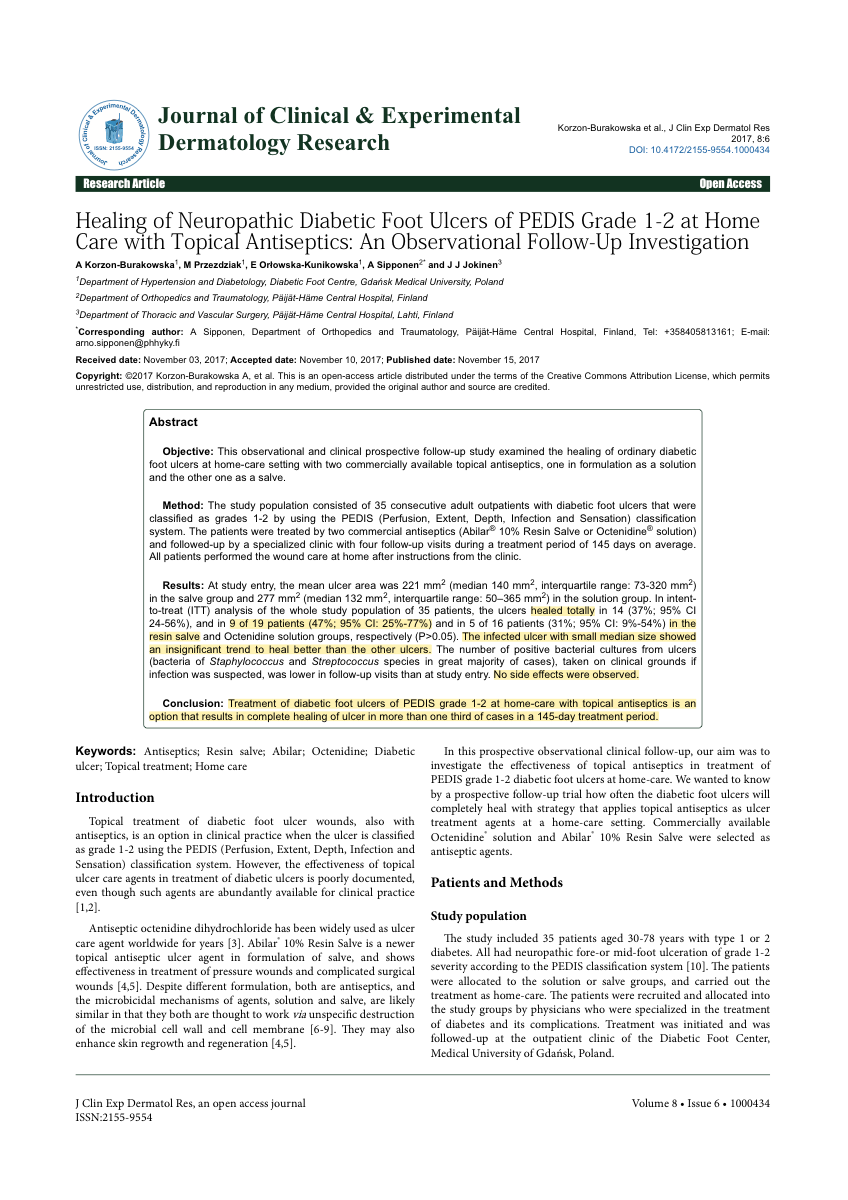
Journal article cover — Healing of Neuropathic Diabetic Foot Ulcers of PEDIS Grade 1-2

Reference

Korzon-Burakowska A, Przezdziak M, Orłowska-Kunikowska E, Sipponen A, Jokinen JJ. Healing of Neuropathic Diabetic Foot Ulcers of PEDIS Grade 1-2 at Home Care with Topical Antiseptics: An Observational Follow-Up Investigation. J Clin Exp Dermatol Res. 2017;8(6):434. doi:10.4172/2155-9554.1000434

Back to study
Case Studies

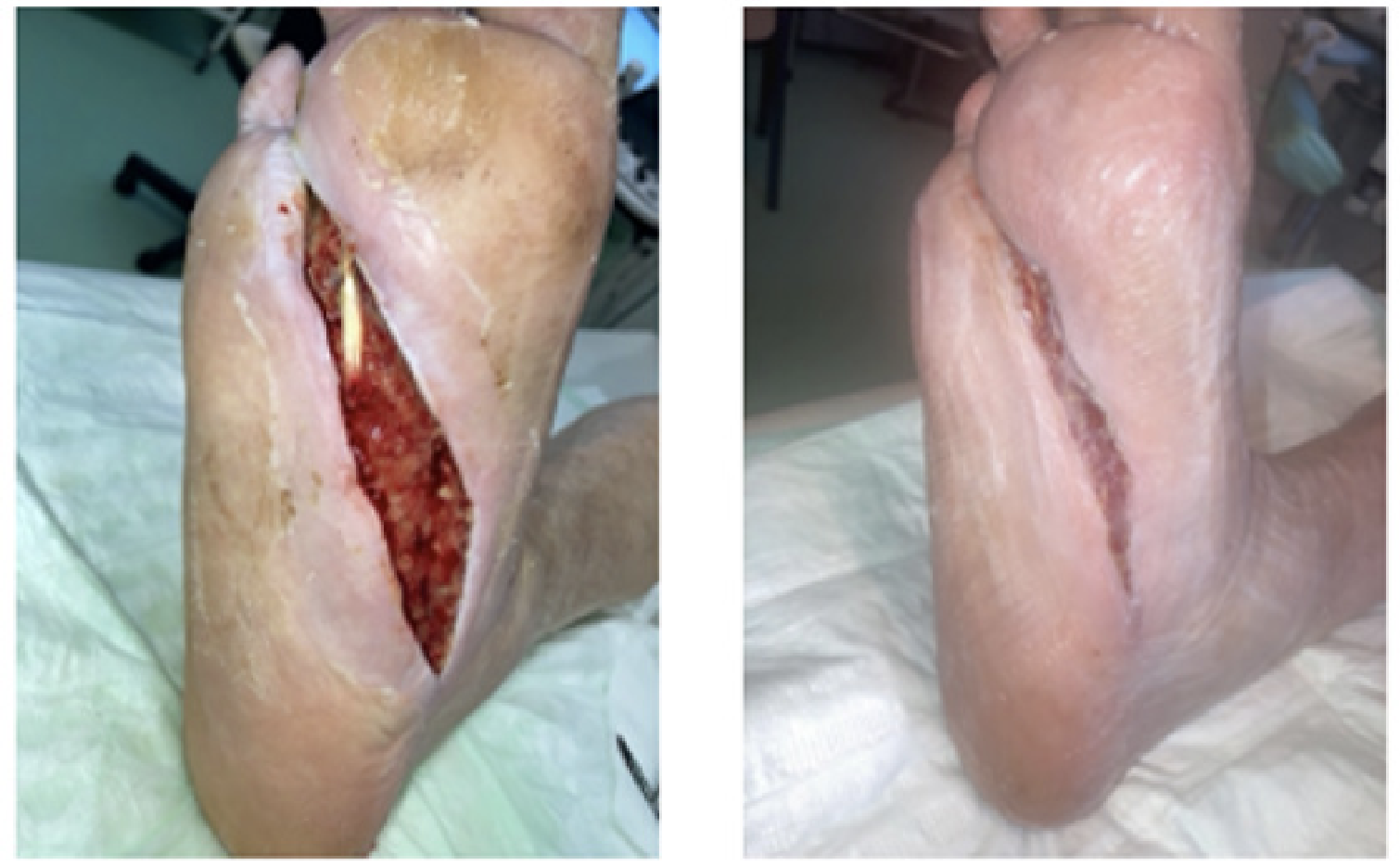
Case 1

A 72-year-old diabetic man with a post-surgical wound saw it shrink to one-third of its original size after 1.5 months of Abilar® use.

Foot incision wound due to gangrene and infection, and 1 month later

Foot incision wound due to gangrene and infection, and 1 month later.

Reference Tímea Hevér. Initial Experience with Norway Spruce (Picea Abies) Resin. Biomed J Sci & Tech Res. 2024;57(4). doi:10.26717/BJSTR.2024.57.009043

Case 2

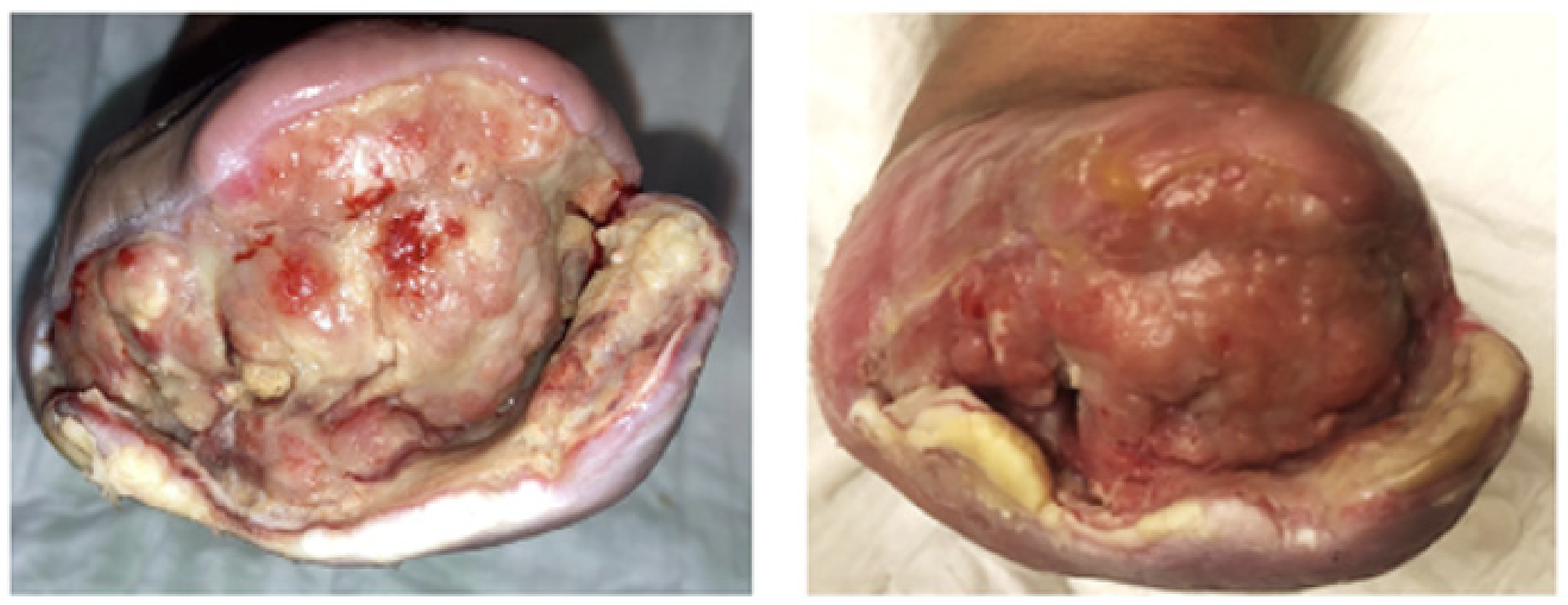
A 68-year-old man with severe diabetic stenosis had a forefoot amputation wound that had been stagnant for two months; Abilar® initiated intense granulation within one month, fusing critical areas of the wound bed.

Forefoot amputation wound due to gangrene and diabetes infection, and 1 month later

Forefoot amputation wound due to gangrene and diabetes infection, and 1 month later.

Reference Tímea Hevér. Initial Experience with Norway Spruce (Picea Abies) Resin. Biomed J Sci & Tech Res. 2024;57(4). doi:10.26717/BJSTR.2024.57.009043

Case 3

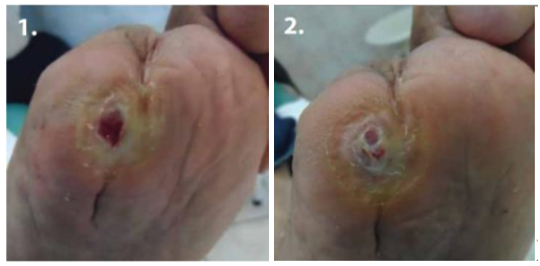
A 63-year-old male with DTII treated with the combination of fast- and long-acting insulin. The patient presented with prolonged wound healing after a big and second toe amputation and developed a diabetic ulcer of the head of the first metatarsal. Abilar® Wound Balm treatment was applied once a day. The ulcer was improved already after 1 month of treatment.

Diabetic foot ulcer before Abilar® treatment and 1 month later

Diabetic foot ulcer before Abilar® treatment and 1 month later.

Reference Non-public

Case 4

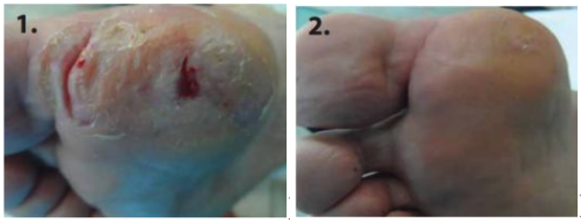
A 58-year-old male with DTII on insulin therapy with insulin glargine and insulin aspart. The patient was in follow-up and treatment at the multidisciplinary diabetic foot and wound clinic due to non-infected diabetic foot. Proper offloading therapy and topical wound care was implemented at the beginning of the follow-up. Abilar® Wound Balm treatment was initiated and was applied once a day. The ulcer completely healed after 1 month of treatment.

Diabetic foot ulcer before Abilar® treatment and 1 month later

Diabetic foot ulcer before Abilar® treatment and 1 month later.

Reference Non-public

Customer Feedback